The Bridge blog
Spanning the gap between clinical language and real life.
All posts newest first

School and systems · Parenting
A school meeting is one of the few places where somebody's job includes hearing you out. That changes what is worth preparing.
The parenting series · Part 7
Tyler Seabolt, LCSW · November 4, 2026
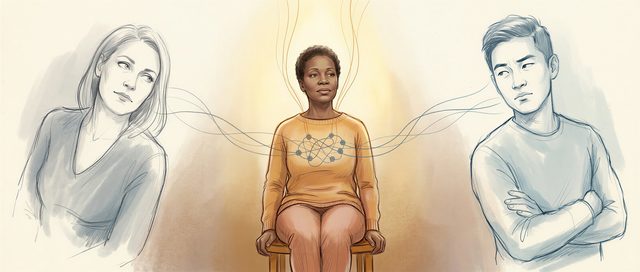
Parenting · Relationships
Judged for too much by one relative and too little by the next, about the same child, in the same week.
The parenting series · Part 6
Tyler Seabolt, LCSW · October 24, 2026

Parenting · Relationships
Advocating for your child does not start at a school meeting. It starts with the person you share a kitchen with.
The parenting series · Part 5
Tyler Seabolt, LCSW · October 24, 2026
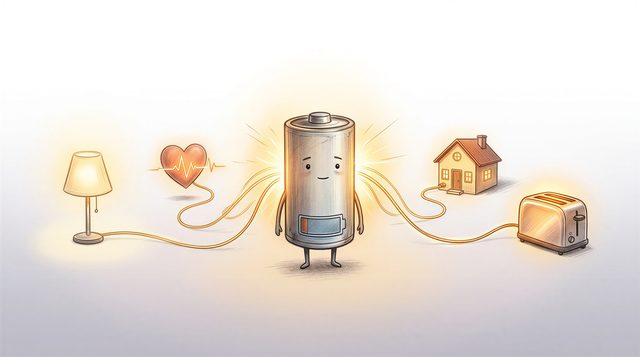
The nervous system · Caring for yourself
Understanding the Interoceptive Hyperactivation Profile™
Tyler Seabolt, LCSW · July 16, 2026

Neurodivergence · The nervous system
When a half-degree shift in someone's tone drops the floor out — and why that is not oversensitivity.
Tyler Seabolt, LCSW · July 4, 2026

Neurodivergence · Relationships
Or: can we? And what if the thing to trust was never understanding — but curiosity?
Tyler Seabolt, LCSW · July 4, 2026

Parenting · Caring for yourself
When your child is struggling, the job you think you have — to fix it — was never actually yours.
The parenting series · Part 4
Tyler Seabolt, LCSW · July 3, 2026

Parenting · Neurodivergence
How Bridge supports parents and families through complex needs — and a group where you don't have to do it alone.
The parenting series · Part 1
Tyler Seabolt, LCSW · July 3, 2026
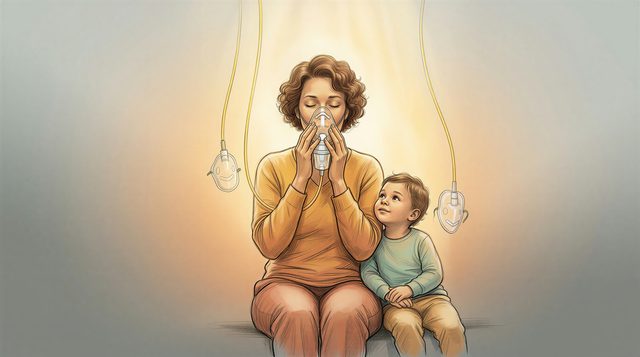
Parenting · Caring for yourself
On caregiver burnout, and the counterintuitive thing that actually helps.
The parenting series · Part 2
Tyler Seabolt, LCSW · July 3, 2026

Parenting · The nervous system
Why your child's biggest meltdowns have almost nothing to do with the thing that set them off.
The parenting series · Part 3
Tyler Seabolt, LCSW · July 3, 2026
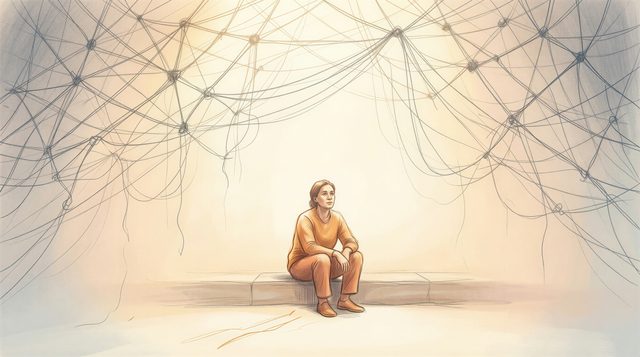
Neurodivergence · Caring for yourself
Why Therapy Progress Can Unmask a Whole New Struggle
Tyler Seabolt, LCSW
Neurodivergence · Caring for yourself
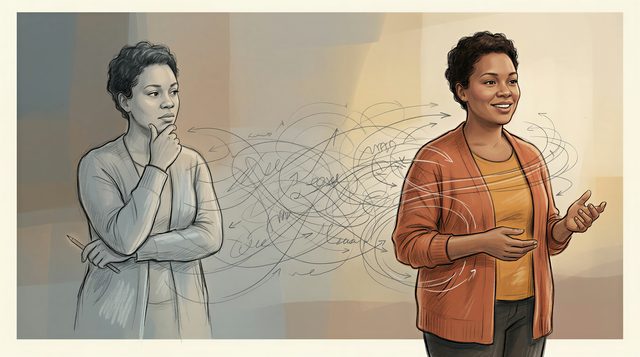
Finding Balance Between Authentic Expression and Strategic Adaptation
Tyler Seabolt, LCSW

Relationships · Neurodivergence
Why miscommunication is not one person's fault — and what to actually do about it.
Tyler Seabolt, LCSW

Relationships · Neurodivergence
On being misread across the gap between different minds — and what actually helps.
Tyler Seabolt, LCSW

Caring for yourself
For anyone whose inner voice still sounds like someone they knew — and what to build instead.
Tyler Seabolt, LCSW